Building the Digital Infrastructure for Europe’s Biomethane Market
27.05.2026As Europe’s biomethane market scales up and becomes increasingly interconnected, digital infrastructure is emerging as a critical enabler of traceability, compliance, and cross-border trade. In this interview, FuelFWD shares its perspective on the sector’s evolution and the role digital tools will play in supporting a more efficient and resilient European biomethane market.
How would you describe the current state of play of the biomethane sector?
The European biomethane sector is entering a new phase of maturity and strategic importance. Growth is being driven by RED III targets, energy security priorities, and rising demand for low-carbon gas in industry and transport.
At the same time, the market is becoming increasingly interconnected across countries, certification schemes, and trading structures. This creates new demands around traceability, sustainability data management, and consistent compliance across the value chain.
The sector has strong long-term momentum, but its continued development will depend not only on expanding production capacity, but also on building the digital infrastructure and robust chain of custody needed to support a seamless and efficient European market.
Can you briefly introduce FuelFWD?
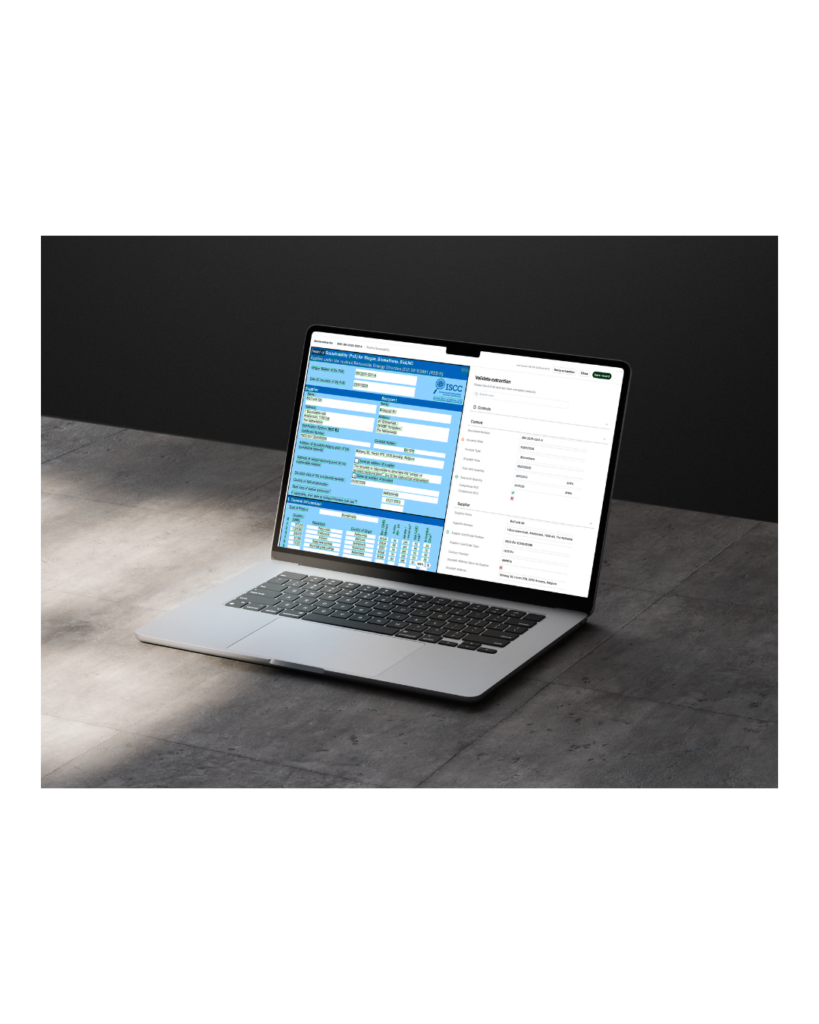
FuelFWD is a specialised software platform for biomethane feedstock collection points, producers, and traders that replaces spreadsheet-based compliance bookkeeping and reporting with a structured control layer. It enables companies to manage post-trade sustainability documents and data in one system, while staying continuously audit-ready and in control as volumes scale and pathways vary. By reducing operational complexity and improving trust and traceability inside companies and across the value chain, FuelFWD helps create the conditions for a more scalable and resilient European biomethane market.
Which main challenges does your solution address for biomethane producers and traders?
Many biomethane operations are still managed in spreadsheets, which creates operational risk, inefficiency, and limited control.
This shows up in several ways in day-to-day operations:
- Fragmented and manual handling of Proofs of Sustainability (PoS), Guarantees of Origin (GOs), and sustainability data
- Lack of company and inter-company traceability across transactions and chain of custody
- Manual, error-prone mass balance management across entities and schemes
- Missed sustainability value from not actively managing carbon intensity
- Stressful audit and reporting events requiring reconstruction of historical transactions and data flows
FuelFWD addresses these challenges by structuring sustainability and transaction data in a single system, reducing manual reconciliation and improving visibility across operations.
How does your platform support sustainability traceability and compliance with EU regulations?
FuelFWD embeds RED II/III and national compliance checks and balances directly into the system, including mass balance and chain of custody requirements. All data, documents, and transactions, including collection point intake, PoS, and GO flows, are fully linked and traceable from origin or purchase through to sale and end use. The platform creates a continuous audit trail and ensures that outgoing sustainability and compliance documentation is always consistent with underlying mass balance data.
This allows companies to demonstrate compliance in a transparent, audit-ready way, while reducing manual reconciliation work and strengthening trust across the European biomethane supply chain.
What role do you see digital tools playing in the future development of the biomethane market?
The biomethane market cannot scale on spreadsheets. As regulatory requirements tighten and cross-border trade increases, collection points, producers, and traders need more system-level control.
Digital tools will become central to how the market operates. They connect certification schemes, registries, and market participants, and make it possible to manage sustainability and post-trade compliance data in a structured way across companies and the wider value chain.
This includes everything from PoS, GOs, and sustainability declarations (SDs) to broader reporting and traceability requirements.
This shift is essential to move from fragmented administration to a scalable and efficient European biomethane market, capable of supporting Europe’s broader renewable energy and energy security ambitions.
You received support from the Just Transition Fund. How has this funding contributed to your project’s development and impact so far?
The Just Transition Fund enabled FuelFWD to accelerate the development of a robust and scalable platform and bring it to market faster. It allowed us to work closely with economic operators to build a solution that is practical, intuitive, and easy to implement for smaller companies without large internal compliance teams up to multinationals with specialised sustainability teams, multiple certified sites and a complex IT infrastructure.